Source Solid Conductor Dielectric Trunk Cable for LAN, RF, and Local Communication
Explore 30 listings for solid conductor dielectric trunk cable suitable for LAN, RF, and local communication applications. Compare options featuring copper or aluminum conductors, PE or PVC jackets, and various certifications like RoHS and ISO to find the right fit for your infrastructure needs.
Key considerations
Products List


$0.40 - $15.00
Moq: 1000




Comprehensive Sourcing Guide
Solid Conductor Dielectric Trunk Cable Sourcing Guide
Procuring solid conductor dielectric trunk cables requires a nuanced understanding of material science and application-specific performance metrics. While the supplied product data highlights stranded copper and aluminum conductors, buyers must distinguish between solid and stranded variants to ensure compatibility with their specific infrastructure needs. Solid conductors typically offer superior structural integrity and lower signal attenuation over short distances, making them ideal for rigid trunking applications where flexibility is less critical than mechanical stability.
The dielectric material plays a pivotal role in maintaining signal integrity and environmental resistance. Common dielectrics include polyethylene (PE) and polyvinyl chloride (PVC), each offering distinct advantages regarding moisture resistance and flexibility. Buyers should verify the specific dielectric composition to ensure it aligns with the operational environment, whether it involves direct burial, aerial installation, or indoor routing. The choice of dielectric directly impacts the cable’s electrical characteristics and long-term durability under varying thermal conditions.
Product Scope and Observed Listing Signals
The observed market listings reveal a diverse range of cable types, including coaxial, RF, LAN, and fiber optic variants, with models such as QR500 and QR540 prominently featured. These products often utilize copper or aluminum conductors with PE or PVC outer jackets, indicating a broad scope that caters to various communication and power transmission needs. The presence of "Trunk Cable" in product names suggests applications in main distribution lines, where robust construction and high capacity are paramount for network backbone infrastructure.
Listing signals also indicate significant variability in packaging and origin, with products originating from China and packed in processed wood or wooden drums. This suggests a supply chain focused on bulk logistics and international trade, where proper packaging is essential to prevent damage during transit. Buyers should note that while some listings mention specific models like GYFTY for fiber optics, the core keyword focuses on solid conductor dielectric trunk cables, requiring careful filtering to identify relevant offerings amidst the broader catalog of communication cables.
Technical Specifications to Verify
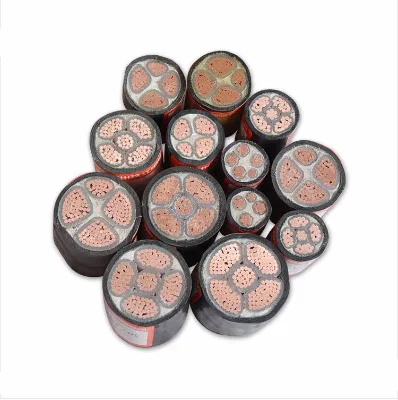
Verifying the conductor material and shape is the first critical step in technical validation. Buyers must confirm whether the cable utilizes solid or stranded conductors, as this affects installation methods and mechanical stress tolerance. The supplied data mentions round wire and hollow line shapes, which influence the cable’s cross-sectional area and current-carrying capacity. Ensuring the conductor material matches the project’s electrical requirements, whether copper for conductivity or aluminum for cost efficiency, is essential for performance optimization.
Dielectric and jacket specifications must also be rigorously checked to ensure environmental suitability. The outer jacket material, often PE or PVC, provides protection against moisture, chemicals, and physical abrasion. For trunk cables, the dielectric thickness and insulation resistance are key parameters that determine signal loss and voltage handling capabilities. Buyers should request detailed technical datasheets that specify these parameters, ensuring they meet the specific voltage ratings and environmental conditions of the intended installation site.
Compliance and Safety Documentation
Certification verification is a non-negotiable aspect of the procurement process, with RoHS, ISO, CE, CCC, and UL being commonly cited standards in the market. These certifications indicate adherence to international safety, environmental, and quality management standards, providing assurance that the cables meet regulatory requirements in various jurisdictions. Buyers must ensure that the specific cable model holds the necessary certifications for their target market, particularly for projects involving strict regulatory oversight or public infrastructure.
Safety documentation should also include fire rating certifications and material safety data sheets (MSDS). For trunk cables installed in buildings or confined spaces, flame retardancy and low smoke zero halogen (LSZH) properties are often required to mitigate fire hazards. Buyers should verify that the dielectric and jacket materials comply with relevant fire safety standards, ensuring that the cables do not contribute to the spread of fire or release toxic fumes in the event of a fire incident.
Cost Drivers and Commercial Terms
The cost of solid conductor dielectric trunk cables is influenced by raw material prices, particularly copper and aluminum, which are subject to global market fluctuations. The observed price range of $0.07 to $520 USD reflects the diversity in cable types, lengths, and specifications. Buyers should anticipate that higher-grade materials, such as high-purity copper or specialized dielectrics, will command a premium price. Understanding these cost drivers helps in budgeting and negotiating favorable terms with suppliers.
Commercial terms, including minimum order quantities (MOQ) and lead times, vary significantly across suppliers. The observed MOQ range of 1 to 30,000 units indicates flexibility for both small and large-scale projects. Lead times, such as the noted 10-day delivery for certain models, should be factored into project planning. Buyers should clarify payment terms, shipping responsibilities, and warranty conditions to avoid unexpected costs and ensure timely delivery, aligning commercial terms with project schedules and cash flow requirements.
Supplier Qualification and Quality Control
Supplier qualification involves assessing their manufacturing capabilities, quality management systems, and track record. Buyers should verify that suppliers hold valid ISO certifications and have established quality control processes in place. The ability to provide customization, as noted in the product attributes, indicates a supplier’s flexibility and commitment to meeting specific client requirements. Engaging with suppliers who demonstrate robust quality control practices reduces the risk of receiving substandard products.
Quality control checks should include incoming material inspections, in-process testing, and final product verification. Buyers should request test reports for electrical performance, mechanical strength, and environmental resistance. Establishing clear quality acceptance criteria and conducting periodic audits of the supplier’s facilities can further ensure consistency and reliability. Building a relationship with suppliers who prioritize quality and transparency fosters long-term partnership and reduces procurement risks.
Long-Term Procurement Checks
Long-term procurement success depends on continuous monitoring of supplier performance and market trends. Buyers should establish key performance indicators (KPIs) to evaluate suppliers on delivery reliability, product quality, and responsiveness. Regular reviews of these metrics help identify potential issues early and facilitate corrective actions. Maintaining open communication with suppliers ensures that any changes in product specifications or market conditions are promptly addressed, minimizing disruptions to supply chains.
Additionally, buyers should stay informed about technological advancements and regulatory changes in the cable industry. Emerging standards or new materials may offer improved performance or cost savings, providing opportunities for optimization. Periodic re-evaluation of procurement strategies and supplier portfolios ensures that the organization remains competitive and compliant. By proactively managing these long-term factors, buyers can secure a stable and efficient supply of solid conductor dielectric trunk cables for their projects.
FAQs
What certifications are available for solid conductor dielectric trunk cable?
Available certifications include RoHS, ISO, CE, CCC, and UL. These standards ensure compliance with safety and environmental regulations for various applications like local communication and long-distance symmetric cables.
Can I request customization for solid conductor dielectric trunk cable?
Yes, customization is available for solid conductor dielectric trunk cable. Buyers can specify unique requirements to match their specific project needs while maintaining high-quality standards for the final product.
Which materials are used for the conductor in solid conductor dielectric trunk cable?
The conductor material can be copper, aluminum, or CCA. The wire core material may also include steel, and the shape varies between round wire and hollow line depending on the specific model selected.
How long is the delivery time for solid conductor dielectric trunk cable?
The delivery time is typically 10 days for solid conductor dielectric trunk cable. This lead time applies to standard orders and ensures timely supply for urgent communication and networking infrastructure projects.
What is the minimum order quantity for solid conductor dielectric trunk cable?
The minimum order quantity ranges from 1 to 30,000 units depending on the specific product model. Some items require a minimum of 2 drums, while others allow for smaller initial purchase quantities.
Where is the solid conductor dielectric trunk cable manufactured?
The solid conductor dielectric trunk cable is manufactured in China. This origin ensures access to established supply chains and competitive pricing for various cable types including coaxial and fiber optic variants.
What packing methods are used for solid conductor dielectric trunk cable?
Packing methods include processed wooden crates, wooden drums, and rolls. Specific models like GYFTY Cable use 4km wooden drums, ensuring safe transport and protection during international shipping logistics.